From Tech Wonder to Gigantic Fraud
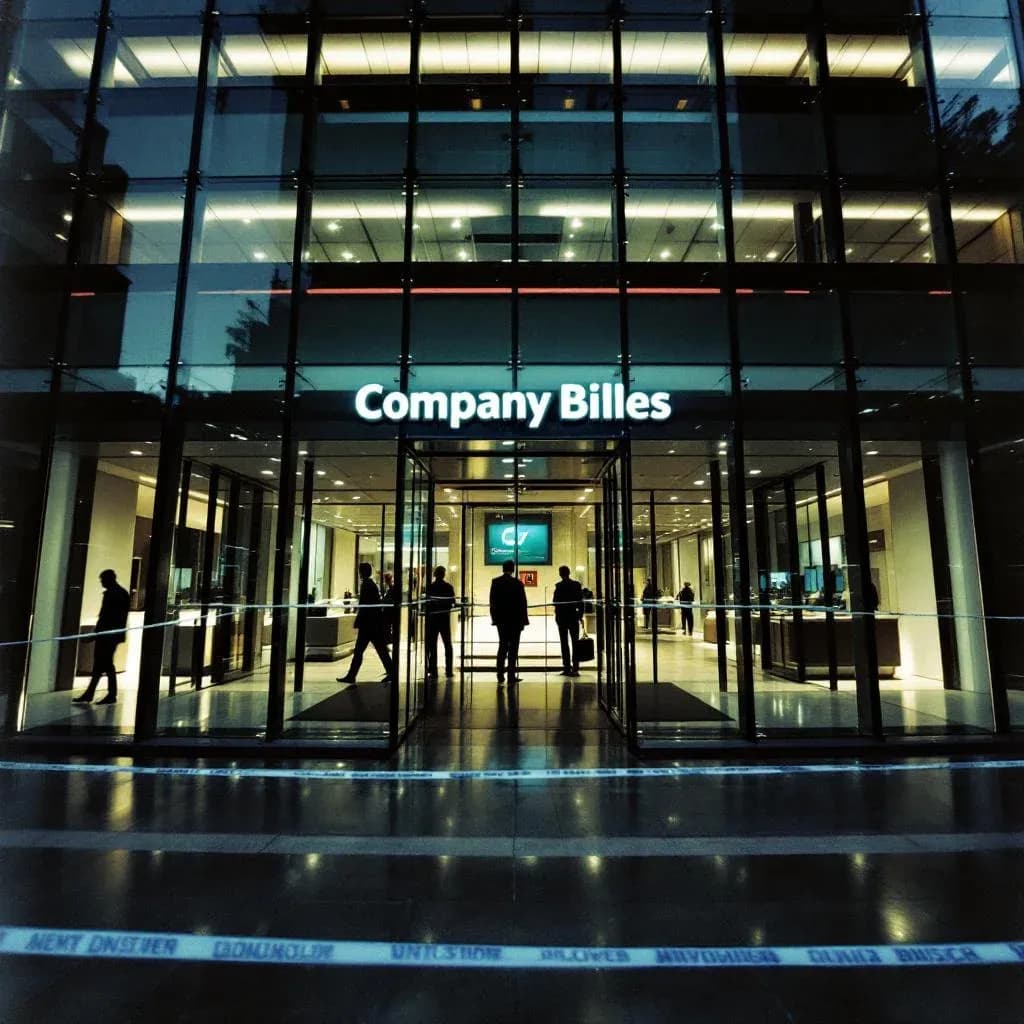
Wirecard was Germany's answer to Silicon Valley success stories. The Munich-based fintech company processed payments for online merchants and was hailed from the early 2000s as a digitalization icon. In September 2018, Wirecard entered the DAX index, displacing the traditional Commerzbank—a symbolic victory for the new economy over legacy banking systems.
Under CEO Markus Braun, an Austrian manager with a technology background, the company's market value soared to over 24 billion euro. Year after year, Wirecard presented impressive growth figures, particularly from its Asian operations. But behind the glitter lay a colossal web of lies that German regulators failed to penetrate for many years.
Warnings Were Ignored
From 2015 onward, critical reports became more frequent, particularly from the Financial Times. Journalist Dan McCrum systematically worked through the numbers and identified discrepancies in the accounts. He suspected falsified revenue figures in the so-called third-party payment segment, where Wirecard claimed to process transactions for partners in Dubai and the Philippines.
Instead of investigating the allegations, Germany's financial regulator BaFin went after the critics. In February 2019, the regulator even imposed a ban on short-selling Wirecard shares for two months and filed charges against journalists for alleged market manipulation. This response is today considered one of the greatest regulatory failures in German financial history.
The House of Cards Collapses
In June 2020, everything unraveled. Audit firm EY (Ernst & Young) refused to sign off on the 2019 financial statements because 1.9 billion euro held in trust accounts in the Philippines could not be documented. On June 18, 2020, Wirecard admitted the money "most likely does not exist."
Markus Braun stepped down and was arrested on June 23. Two days later, Wirecard filed for bankruptcy. The DAX corporation became virtually worthless overnight. Thousands of investors lost their savings, employees lost their jobs. The damage totaled several billion euro.
The Marsalek Mystery
The key figure behind the fraud is former COO Jan Marsalek, born in Vienna. He was the public face of the company's operations and strategy. On June 19, 2020, he was suspended—a day later he fled Germany. His last known whereabouts trace through Austria toward the Philippines, where he never arrived.
Marsalek has since vanished. The investigation suggests he had contacts with Russian intelligence services and may have fled to Russia. An international arrest warrant has been issued, and Interpol searches for him worldwide. Even in 2026, his location remains unsolved—a dimension reminiscent of major international financial crimes at the highest level.
Political Fallout
The Wirecard scandal sent shockwaves through German politics. An investigative commission in the Bundestag examined the regulatory failures. Criticism fell heavily on BaFin, which for years had pursued the wrong targets, and on the Finance Ministry under Olaf Scholz.
BaFin underwent thorough reforms and gained more power, but criticism persisted. The auditing industry also came under scrutiny: How could EY approve the accounts year after year without detecting the massive fraud?
The case against Markus Braun began in December 2022 and is ongoing. He denies the charges and claims he was himself deceived. The indictment includes organized fraud, accounting falsification, and market manipulation. Several other former executives are also charged.
A Warning Sign for Finance Worldwide
The Wirecard case is a textbook example of blind trust in purported success stories, control failures, and the dangers of overly business-friendly regulation. It demonstrates how long systematic fraud can continue when everyone looks away—auditors, regulators, and politicians.
The question of Marsalek's whereabouts and his insight into the background of the financial scheme remains unanswered. The same applies to whether foreign intelligence services were involved. Wirecard is therefore not merely an economic scandal, but also a matter of national security and international networks extending far beyond mere accounting fraud.