True crime news logo
  • Nyheder
True crime news logo

The international true crime destination. Cases, documentaries, podcasts and travel routes.

© 2026 truecrime.news. All rights reserved.

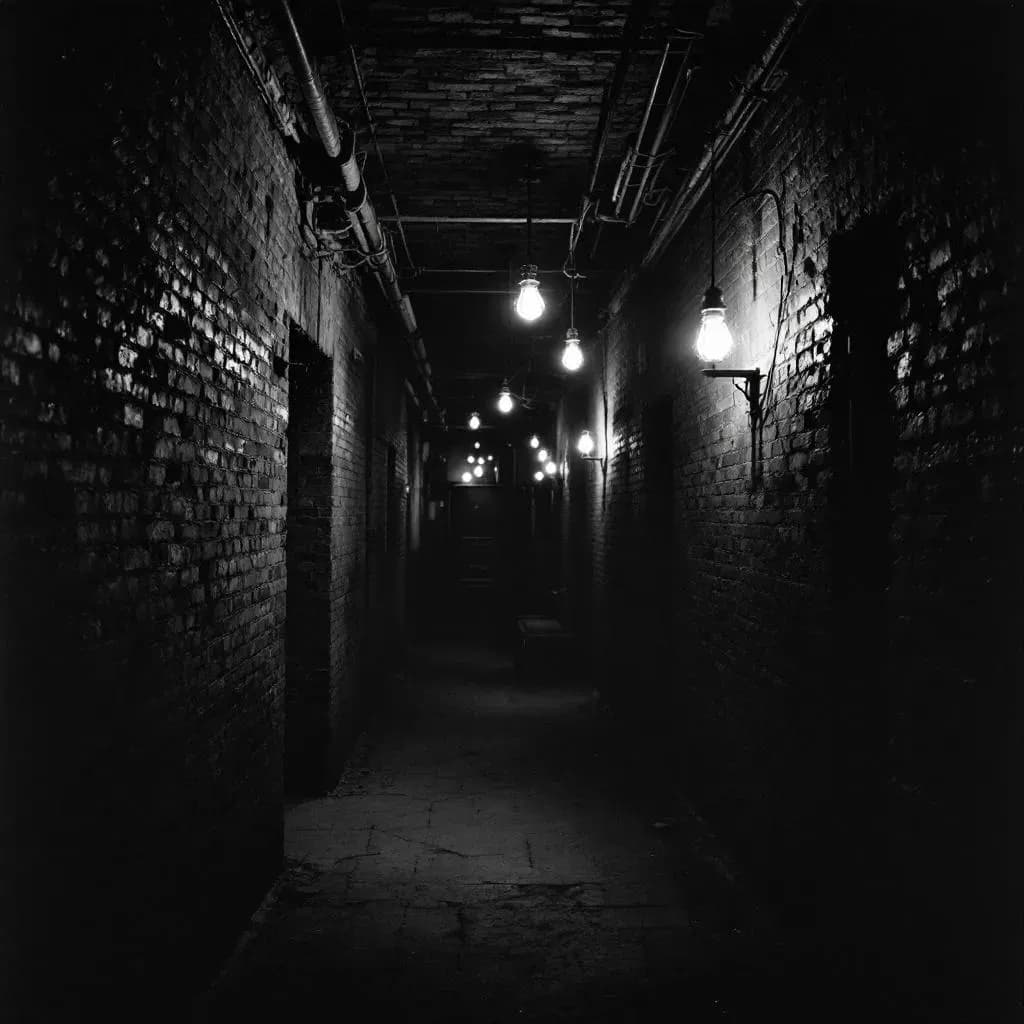
Mørk kælderkorridor i victoriansk bygning, mursten, glødende pærer, H.H. Holmes Murder Castle Chicago 1893

Inside H.H. Holmes' Murder Castle: Chicago's Dark Secret

The three-story hotel where America's first documented serial killer operated during the 1893 World's Fair

By
Susanne Sperling
Published
May 6, 2026 at 12:00 AM

Quick Facts

In 1892, a three-story structure rose in Chicago's Englewood neighborhood that would cement H.H. Holmes' place in criminal history. Located directly across the street from Holmes' pharmacy, the building combined retail shops on the ground floor with apartments and hotel rooms above—a design that would prove crucial to his crimes.

During the 1893 World's Columbian Exposition, Holmes marketed the upper floors as the "World's Fair Hotel," attracting visitors from across the country. The location and the influx of temporary residents provided the perfect cover for his activities.

## Separating Fact from Fiction

Popular accounts of the Murder Castle have been heavily sensationalized by yellow journalism of the era. Claims of elaborate torture chambers, trapdoors, gas chambers, and a basement crematorium persist in modern retellings, but historians have found no credible evidence for these features. What investigators *did* discover were hidden rooms throughout the structure—spaces Holmes used to conceal furniture he'd purchased on credit rather than evidence of elaborate killing apparatus.

The building's actual design was far less theatrical than legend suggests, yet the verified crimes were no less horrific.

## Confirmed Victims

Police investigation began in July 1895, following the discovery of Alice and Nellie Pitezel's bodies. On July 28, investigators uncovered two graves in the castle basement. The confirmed victims included:

- **Benjamin Pitezel**, Holmes' own assistant - **Alice and Nellie Pitezel**, Benjamin's children - **Minnie Williams**, murdered in nearby Momence, Illinois in 1893 - **Nannie Williams**, Minnie's sister, also killed in 1893 - **Julia Conner**, who disappeared (a bone fragment was later recovered) - **Pearl Conner**, an 8-year-old child whose remains were possibly identified

A seventh victim, **John Davis** of Greenville, Pennsylvania, visited the 1893 World's Fair and vanished. Remains discovered in Lake County in 1919 may have belonged to Davis, though the connection was never definitively proven.

## Murder Methods

In his confession, Holmes described killing victims through suffocation via chloroform overdose, exposure to lighting gas fumes, trapping in airless vaults, starvation, and burning alive. These methods reflected the building's infrastructure rather than any grand architectural design.

When police examined the castle, physical evidence was circumstantial: bone fragments, burned clothing, buttons, and hair. This circumstantial nature proved significant—while Holmes faced conviction and execution in Pennsylvania for Benjamin Pitezel's murder, evidence from Chicago was insufficient to secure local convictions.

## Arrest, Trial, and Execution

Holmes was arrested on November 17, 1894, in Boston under the alias "H.M. Howell." His murder trial began on October 28, 1895, in Philadelphia, where he controversially defended himself. He was convicted of Benjamin Pitezel's murder on November 2, 1895, and executed on May 7, 1896.

## The Inflation of Numbers

Holmes confessed to 27 deaths across Chicago, Indianapolis, and Toronto, plus six attempted killings. The Hearst newspaper chain paid him $7,500 for his written confession—a transaction that gave Holmes financial incentive to exaggerate. After his conviction, he claimed responsibility for 130 or more murders.

Modern historians reject these inflated figures, attributing them to sensational yellow journalism and inadequate police investigative methods of the era. The actual confirmed victim count remains substantially lower, though still devastating.

The Murder Castle itself was demolished in 1938, but the case remains a watershed moment in American criminal history—marking the documented emergence of the serial killer phenomenon and the public's dark fascination with true crime.

## Sources

https://en.wikipedia.org/wiki/H._H._Holmes https://www.aetv.com/articles/h-h-holmes-murder-castle-hotel https://thewestendmuseum.org/history/era/immigrant-neighborhood/h-h-holmes/ https://guides.loc.gov/chronicling-america-h-h-holmes
Read more

Stille dansk forstadshave om vinteren, terrassesten, bare træer, grå himmel, Odense
Rute

The Peter Lundin Case: Denmark's Most Horrifying Triple Murder

Tom parkeringsplads i Californien om natten, enkelt gadelygtte, Zodiac Killer mordsted 1969
Rute

Tracing the Zodiac Killer's Bay Area Crime Spree

Norsk kyststig ved tusmørke, fjord og lyng, Karmøy, Birgitte Tengs-sagen 1995
Rute

The Scream Route: Following Norway's Most Infamous Crime

Related Content
Stille dansk forstadshave om vinteren, terrassesten, bare træer, grå himmel, Odense

The Peter Lundin Case: Denmark's Most Horrifying Triple Murder

Tom parkeringsplads i Californien om natten, enkelt gadelygtte, Zodiac Killer mordsted 1969

Tracing the Zodiac Killer's Bay Area Crime Spree

Norsk kyststig ved tusmørke, fjord og lyng, Karmøy, Birgitte Tengs-sagen 1995

The Scream Route: Following Norway's Most Infamous Crime

Mørkt brolagt smøge i victoriansk London om natten, gaslampe og tåge, Jack the Ripper rute 1888

Walking the Jack the Ripper Murder Sites in London

Advertisement

Susanne Sperling

Admin

Share this post:
Mørk kælderkorridor i victoriansk bygning, mursten, glødende pærer, H.H. Holmes Murder Castle Chicago 1893

Inside H.H. Holmes' Murder Castle: Chicago's Dark Secret

The three-story hotel where America's first documented serial killer operated during the 1893 World's Fair

By
Susanne Sperling
Published
May 6, 2026 at 12:00 AM

Quick Facts

In 1892, a three-story structure rose in Chicago's Englewood neighborhood that would cement H.H. Holmes' place in criminal history. Located directly across the street from Holmes' pharmacy, the building combined retail shops on the ground floor with apartments and hotel rooms above—a design that would prove crucial to his crimes.

During the 1893 World's Columbian Exposition, Holmes marketed the upper floors as the "World's Fair Hotel," attracting visitors from across the country. The location and the influx of temporary residents provided the perfect cover for his activities.

## Separating Fact from Fiction

Popular accounts of the Murder Castle have been heavily sensationalized by yellow journalism of the era. Claims of elaborate torture chambers, trapdoors, gas chambers, and a basement crematorium persist in modern retellings, but historians have found no credible evidence for these features. What investigators *did* discover were hidden rooms throughout the structure—spaces Holmes used to conceal furniture he'd purchased on credit rather than evidence of elaborate killing apparatus.

The building's actual design was far less theatrical than legend suggests, yet the verified crimes were no less horrific.

## Confirmed Victims

Police investigation began in July 1895, following the discovery of Alice and Nellie Pitezel's bodies. On July 28, investigators uncovered two graves in the castle basement. The confirmed victims included:

- **Benjamin Pitezel**, Holmes' own assistant - **Alice and Nellie Pitezel**, Benjamin's children - **Minnie Williams**, murdered in nearby Momence, Illinois in 1893 - **Nannie Williams**, Minnie's sister, also killed in 1893 - **Julia Conner**, who disappeared (a bone fragment was later recovered) - **Pearl Conner**, an 8-year-old child whose remains were possibly identified

A seventh victim, **John Davis** of Greenville, Pennsylvania, visited the 1893 World's Fair and vanished. Remains discovered in Lake County in 1919 may have belonged to Davis, though the connection was never definitively proven.

## Murder Methods

In his confession, Holmes described killing victims through suffocation via chloroform overdose, exposure to lighting gas fumes, trapping in airless vaults, starvation, and burning alive. These methods reflected the building's infrastructure rather than any grand architectural design.

When police examined the castle, physical evidence was circumstantial: bone fragments, burned clothing, buttons, and hair. This circumstantial nature proved significant—while Holmes faced conviction and execution in Pennsylvania for Benjamin Pitezel's murder, evidence from Chicago was insufficient to secure local convictions.

## Arrest, Trial, and Execution

Holmes was arrested on November 17, 1894, in Boston under the alias "H.M. Howell." His murder trial began on October 28, 1895, in Philadelphia, where he controversially defended himself. He was convicted of Benjamin Pitezel's murder on November 2, 1895, and executed on May 7, 1896.

## The Inflation of Numbers

Holmes confessed to 27 deaths across Chicago, Indianapolis, and Toronto, plus six attempted killings. The Hearst newspaper chain paid him $7,500 for his written confession—a transaction that gave Holmes financial incentive to exaggerate. After his conviction, he claimed responsibility for 130 or more murders.

Modern historians reject these inflated figures, attributing them to sensational yellow journalism and inadequate police investigative methods of the era. The actual confirmed victim count remains substantially lower, though still devastating.

The Murder Castle itself was demolished in 1938, but the case remains a watershed moment in American criminal history—marking the documented emergence of the serial killer phenomenon and the public's dark fascination with true crime.

## Sources

https://en.wikipedia.org/wiki/H._H._Holmes https://www.aetv.com/articles/h-h-holmes-murder-castle-hotel https://thewestendmuseum.org/history/era/immigrant-neighborhood/h-h-holmes/ https://guides.loc.gov/chronicling-america-h-h-holmes
Read more

Stille dansk forstadshave om vinteren, terrassesten, bare træer, grå himmel, Odense
Rute

The Peter Lundin Case: Denmark's Most Horrifying Triple Murder

Tom parkeringsplads i Californien om natten, enkelt gadelygtte, Zodiac Killer mordsted 1969
Rute

Tracing the Zodiac Killer's Bay Area Crime Spree

Norsk kyststig ved tusmørke, fjord og lyng, Karmøy, Birgitte Tengs-sagen 1995
Rute

The Scream Route: Following Norway's Most Infamous Crime

Related Content
Stille dansk forstadshave om vinteren, terrassesten, bare træer, grå himmel, Odense

The Peter Lundin Case: Denmark's Most Horrifying Triple Murder

Tom parkeringsplads i Californien om natten, enkelt gadelygtte, Zodiac Killer mordsted 1969

Tracing the Zodiac Killer's Bay Area Crime Spree

Norsk kyststig ved tusmørke, fjord og lyng, Karmøy, Birgitte Tengs-sagen 1995

The Scream Route: Following Norway's Most Infamous Crime

Mørkt brolagt smøge i victoriansk London om natten, gaslampe og tåge, Jack the Ripper rute 1888

Walking the Jack the Ripper Murder Sites in London

Advertisement

Susanne Sperling

Admin

Share this post: