Petra Fehre and expeditions on the Inca Trail
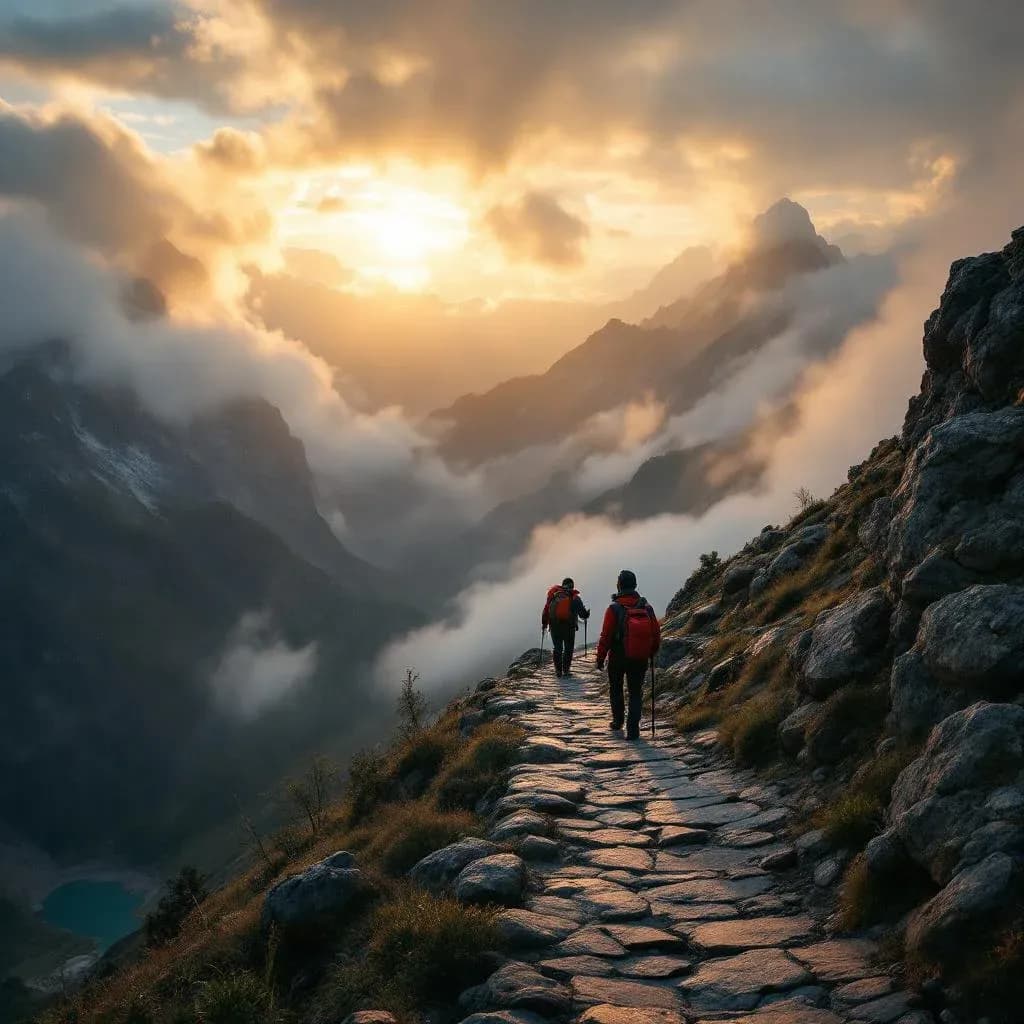
Petra Fehre was a 24-year-old German woman with a passion for adventure and travel. In the summer of 2002, she participated in a commercial trekking expedition on the world-famous Inca Trail in Peru — a five-day hike through the Andes mountains to the ruins of Machu Picchu. The expedition was arranged and led by British guide Cliff Carver, who had years of experience with tourism in Peru.
The so-called Inca Trail (Qhapaq Ñan) stretches approximately 43 kilometers and passes several archaeological sites on the way to Machu Picchu. The route is known for being physically demanding with significant elevation changes — trekkers start at around 2,600 meters and reach peaks over 4,200 meters before descending again.
The expedition's course and Petra's collapse
Petra Fehre was among approximately 30 participants on the expedition, which consisted of tourists from various European countries. During the first days, the trek proceeded as planned, but around day three or four, Petra began showing signs of serious physical distress.
Altitude sickness (acute mountain sickness, AMS) and more severe altitude-related illnesses are well-known risks for people at high elevations without sufficient acclimatization. Symptoms can include headaches, nausea, fatigue, and in worst cases, pulmonary or cerebral edema — both potentially fatal conditions.
According to reports, Petra began complaining of serious illness, and she was found dead in her tent shortly after. Officially, the cause of death was registered as altitude sickness or a related medical complication.
Unclarities surrounding the death
But the case was not so straightforward. Several aspects of the death raised questions:
Lack of medical documentation: No independent autopsy was performed. The cause of death was determined without thorough medical examination.
Guide's responsibility: Questions arose about whether Cliff Carver had taken appropriate measures to assess participants' health before and during the expedition. Had he recommended acclimatization before departure? Had he monitored signs of serious illness closely enough?
Communication and assistance: Reports suggested uncertainty about when and how medical help was sought. Evacuation from the Inca Trail is logistically challenging.
Investigation shortfall: The Peruvian police authorities never conducted a proper criminal investigation. German and British authorities allowed the case to fade away.
Questions about guide responsibility
Cliff Carver continued to lead expeditions on the Inca Trail after Petra's death. No formal charges were ever brought against him, but his name became associated with the case in various true crime forums and travel blogs.
The debate about expedition guides' responsibility was intensified by this case. Commercial trekking companies — both in Peru and globally — faced increased demands for safety protocols, medical screening, and evacuation readiness.
Investigation and lack of conclusion
This case was never formally resolved or classified as a crime. This is due to a combination of factors:
- Difficult to prove intentional harm without an autopsy
- Jurisdictional complications between Germany, Britain, and Peru
- Altitude sickness is a known risk in high-altitude trekking
- Lack of witnesses who could confirm negligence or intent
Petra Fehre's family demanded greater transparency about the circumstances, but never achieved complete clarity. The case subsequently languished in archives as a tragic but "natural" death under extreme conditions.
Aftermath and the debate on adventure tourism safety
In the years following Petra's death, safety standards for commercial trekking expeditions in Peru were gradually strengthened. Requirements emerged for medical forms, guide certification, and mandatory evacuation insurance.
Petra Fehre's case became an example of the risks of combining commercial tourism with extreme physical exertion at dangerous altitudes without adequate medical monitoring.