True crime news logo
  • Nyheder
True crime news logo

The international true crime destination. Cases, documentaries, podcasts and travel routes.

© 2026 truecrime.news. All rights reserved.

Sagsmappe

Colditz Castle: The Escape Kings' War and Incredible Escapes

Nazityskland brugte det berømte kastel til koncentrationslejr og eugenisk mord

Mappe Åbnet: JUNE 6, 2025 AT 10:00 AM
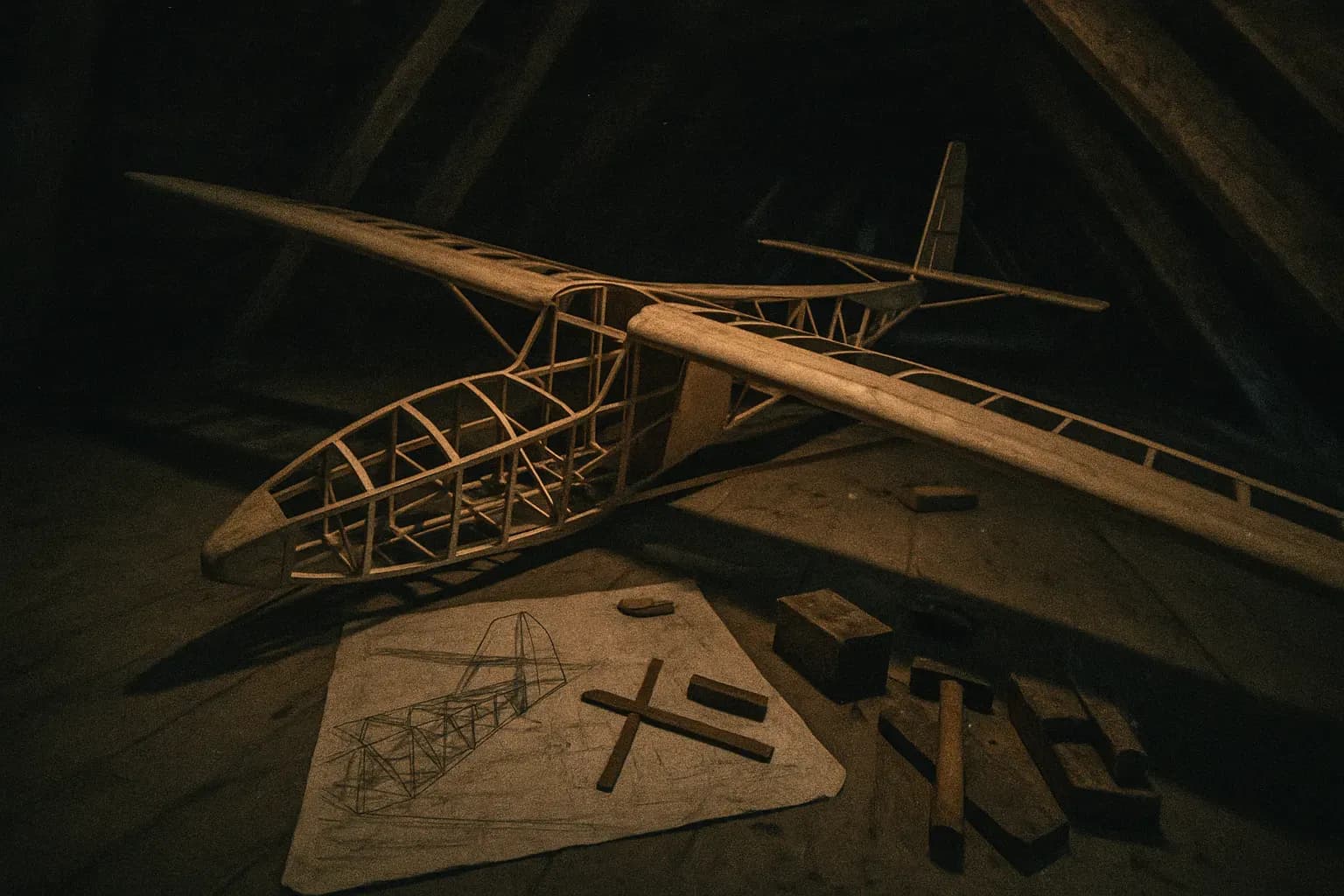
A partially-assembled wooden glider hidden in the attic of Colditz Castle, surrounded by makeshift tools and plans, remnants of a daring escape attempt by Allied prisoners during World War II
BEVIS

Sagsdetaljer

Quick Facts

Klassifikation:

World war ii
Prisoner of war
Escape
Military
Austria
Germany
Espionage

Quick Facts

LocationColditz Castle, Colditz, Saxony, Germany

Arrival at Colditz: Patrick Reid's Meeting with Göring's Prison

On a cold November evening in 1940, in the midst of World War II, British Captain Patrick Reid felt the icy cobblestones beneath his feet as he first stepped into Colditz Castle's prisoner courtyard. Around him, the medieval fortress's massive walls towered against the night sky, bathed in sharp searchlight beams. Hermann Göring, one of Nazi Germany's top figures, had notoriously declared the old castle "escape-proof." This was a challenge that Reid and hundreds of other Allied officers, now prisoners of war, took as a personal mission to disprove. Over the next five years, Colditz, officially known as Oflag IV-C, became the scene of some of history's most daring and innovative escape attempts. Each successful or attempted escape was not merely a physical act, but an important blow in psychological warfare against the Nazis and a testament to humanity's indomitable will for freedom.

Sonderlager Colditz: Bader and Prisoners' False Network

Colditz Castle, overlooking the Zwickauer Mulde river in Saxony, Germany, was converted in October 1939 into a Sonderlager. This was a special camp designed for officers, primarily from the Allied military forces, who were already known for repeated escape attempts from other camps. With its four-meter-thick walls, a 70-meter vertical drop to the river, and over 500 guards for approximately 600 prisoners of war, Colditz was the Germans' ultimate prison, considered the pinnacle of security during captivity. The legendary British pilot Douglas Bader, who flew with two prosthetic legs, remarked sharply upon his arrival that the Germans had overlooked one crucial factor: human ingenuity cannot be locked away. His words proved prophetic. The prisoners quickly established a complex network of specialists in everything from locksmithing and mapmaking to the production of false documentation—an early form of system manipulation. Dutch Lieutenant Damiaen van Doorninck even organized a secret printing press, where they produced convincing false identity papers, the notorious Ausweise, using stolen stamps and homemade ink to ensure an authentic, worn appearance.

Fangeskab
Historical
War crimes
False confession
Stasi
Siege
mordssag
justitssvigt
mordsager
True Crime Podcast 2026
politiafhøringer
triple murder
trillingdrab
mystisk dødsfald
uløste sager
finansiel svindel
justitsmordet
forensisk efterforskning
hvidvaskning
amerikanske drabssager
amerikanske kriminalsager
sundhedsbedrageri
kvaksalveri
Sagsstatus
Løst
Sted
Colditz Castle, Colditz, Saxony, Germany

Early Escapes: The French Tunnel and Chmiel's Rope Ladder

As early as December 1940, French prisoners of war demonstrated their determination with a record-breaking attempt: the longest tunnel dug beneath Colditz Castle. It started in the bell tower and stretched 28 meters down through cellars and under the chapel floor, complete with electric lighting and an alarm system. Despite this impressive engineering feat, the tunnel was discovered when German geophones registered the last digging sounds, only a few meters from freedom. Polish officers attempted a more direct escape. In March 1941, Lieutenant Mietek Chmiel succeeded in getting away using a homemade rope ladder thrown up to an unguarded window ledge. His freedom was short-lived, however, as he was recognized. These early, often unsuccessful escape attempts were not in vain; they laid the foundation for the more organized Escape Committee. This committee, with leading figures such as Pat Reid and his "Laufen Six" group, systematized the planning and execution of future escape operations from the notorious military prison.

Master Camouflage: Van Doorninck's Escape and Neave's Escape

One of the most remarkable feats of camouflage and guard manipulation took place on September 9, 1942. Dutch Naval Captain van Doorninck made history by marching directly out of Colditz's main gate, wearing a perfectly imitated German uniform. He and five fellow prisoners had spent months meticulously studying the German guards' body language, gait, and routines—a form of microscale espionage. They practiced German commands and hand gestures intensively, aware that the slightest mistake could mean discovery. The theater scene at Colditz also became a brilliant escape tool. During a performance of the operetta "The Gondoliers" in October 1942, Airey Neave, disguised as an SS officer, managed to escape through a false floor panel in the stage and into the night. His successful escape via the notorious Singen route to neutral Switzerland made him the first Briton to reach home from Colditz, and proved that even the most "escape-proof" prison could be overcome.

Project Colditz Cock: Secret Glider on the Roof

Perhaps the most ambitious of all escape attempts from Colditz was the secret construction of a two-seater glider on the castle's roof in 1944-45. This glider, christened "Colditz Cock," was designed by flight engineers Jack Best and Bill Goldfinch. The 10-meter-long machine was built from the most unlikely materials, including bed sheets, metal fittings from soup bones, and an incredible 1,200 chair legs stolen from the German officers' canteen. Calculations showed that the glider could reach a speed of 160 km/h in a dive from the castle's roof, heading over the Mulde valley. A test model, built in 1993, confirmed that Colditz Cock could indeed have flown. Ironically, World War II's developments made the escape itself unnecessary. The advance of Allied forces in Germany signaled an imminent liberation, which potentially saved the lives of the pilots who were to have undertaken the daring maiden voyage.

Psychological Warfare: Bader's Satire and Letter Confiscation

Beyond the countless physical escape attempts, constant psychological warfare unfolded within Colditz's walls. Douglas Bader's missing legs did not prevent him from being a thorn in the side of the guards. After several unsuccessful escape attempts from other camps, the famous British pilot was transferred to Colditz in August 1942. There he continued his provocative behavior, including organizing satirical newspapers filled with Nazi-critical jokes and consistently refusing to salute German officers—a deliberate manipulation and mockery of Nazi authority and an example of mental self-defense under extreme stress. The German commandant, Oberstleutnant Gerhard Prawitt, responded with his own forms of psychological pressure. In 1943, he confiscated all prisoners of war's letters for six months, an action that hit hard by cutting them off from their families. As French escape expert Pierre Mairesse-Lebrun said: "They took our hope, so we took their pride."

The Liberation of Colditz: Evacuation, SS Threats, and Assault

In April 1945, as World War II neared its end, the Red Army advanced toward Saxony, and the situation at Colditz became critical. The castle's most famous "Prominente" prisoners—a group of high-profile military officers and aristocrats, including Winston Churchill's nephew Giles Romilly—were hastily evacuated toward the mountains in Austria in a last desperate German maneuver. For the approximately 250 remaining prisoners of war, a new struggle began: surviving rumors of SS troops' plans to blow up Colditz Castle into the air rather than let it fall into enemy hands. On April 16, 1945, after intense bombardment, the American 69th Infantry Division stormed the castle, and a new reality entered the prison's isolated world. Australian Lieutenant Jack Millett collected a shrapnel fragment as a memento of the siege, while prisoners symbolically hoisted homemade flags. But even in the hour of liberation, the urge to escape was so ingrained that some prisoners attempted to get away in the midst of the chaos—one last ironic twist on a story of captivity and freedom.

The Aftermath: 32 'Home Runs', The Myth, and The Museum

Out of more than 300 registered escape attempts from Colditz, 32 prisoners of war achieved a so-called "home run"—a successful escape back to Allied territory. Pat Reid's later books and subsequent film adaptations contributed to creating the "Colditz myth," a narrative of endless, adventurous escapes. The reality, documented in the Escape Committee's meticulous archives, was more nuanced; only around 15% of all planned escapes ever reached the execution phase. For the survivors, the experiences from this notorious captivity in Germany were both traumatic and, paradoxically, liberating. Dutch escape expert Hans Larive described it as "an absurd ballet between enemies who respected each other's duties." Today, Colditz Castle houses a museum. Here stand the original escape objects—from homemade compasses and false Ausweise to detailed drawings of the glider and a model of the "Colditz Cock"—as silent witnesses to the indomitable human will for freedom and the incredible stories from World War II.

Behind the Façade: Chaloupka's Love and Millar's Fate

Behind the heroic tales of elaborate escape plans and daring deeds at Colditz lie deeply personal destinies. Czech officer Cenek Chaloupka established a secret connection with Irmgard Wernicke, a German dental secretary. She risked her own life by supplying him with vital intelligence in the form of information about guard routines and potential escape routes. Their secret correspondence, often hidden in toothpaste tubes, testifies to the incredible power of love even under war's most absurd and dangerous conditions. But Colditz's story also contains loss. Canadian Lieutenant William Millar disappeared without a trace after an escape attempt in 1944, and his body was never found. His name on Colditz's memorial wall is a grim reminder that each escape, successful or not, had a human price, often paid in silence, far from the famous stories.

Colditz's Legacy: Ingenuity and Struggle Against Nazism

The story of Colditz during World War II is far more than a collection of thrilling escape adventures; it constitutes a profound historical study of human endurance and ingenuity. The prisoners of war transformed this seemingly insurmountable medieval fortress in Germany into a living laboratory for the art of freedom. From false German uniforms sewn from curtains to the advanced glider constructed in secret, these military officers demonstrated time and again how creativity, cooperation, and the manipulation of the enemy could overcome even the most formidable obstacles. In a dark period of European history, marked by totalitarian control, Colditz became a shining symbol of democracy's and free thought's indomitability. Here prisoners of different nationalities came together, despite language barriers, in a common struggle against Nazism, driven by a universal desire for escape and freedom. As Pat Reid, one of the most famous escape kings from Colditz, himself formulated it many years after liberation: "Our real victory was not escaping, but preserving the belief that freedom is always worth fighting for." Colditz Castle's walls still stand, a monument to the captivity many suffered, but also an echo of the men who proved that even the most secure prison cannot break the human spirit.

Sources:

deutschlandfunk.de awm.gov.au nationalarchives.gov.uk schloss-colditz.de schloesserland-sachsen.de

Fascinated by history's indomitable wills? Follow CriminalNews for more in-depth accounts of war, escape, and humanity's struggle for freedom.
Read more

A dense jungle setting in Laos with a makeshift bamboo cage, chains, and jungle undergrowth, emphasizing the harsh environment where Dieter Dengler escaped captivity, symbolizing his struggle for survival and resilience
Case

The Pilot Who Escaped: Dieter Dengler's 23-Day Jungle Survival

A narrow, partially hidden tunnel entrance at Stalag Luft III, surrounded by makeshift tools and dirt, symbolizing the escape route used by 76 Allied prisoners during World War II.
Case

The Great Escape: 76 Men, One Tunnel, 50 Deaths

A figure resembling Julius Rosenberg stands in a dimly lit prison cell, his hands gripping cold iron bars, while a guard's shadow looms in the background.
Case

Rosenberg Case Death Sentenced for Espionage to the Soviet Union

Related Content
A dense jungle setting in Laos with a makeshift bamboo cage, chains, and jungle undergrowth, emphasizing the harsh environment where Dieter Dengler escaped captivity, symbolizing his struggle for survival and resilience

The Pilot Who Escaped: Dieter Dengler's 23-Day Jungle Survival

A narrow, partially hidden tunnel entrance at Stalag Luft III, surrounded by makeshift tools and dirt, symbolizing the escape route used by 76 Allied prisoners during World War II.

The Great Escape: 76 Men, One Tunnel, 50 Deaths

A figure resembling Julius Rosenberg stands in a dimly lit prison cell, his hands gripping cold iron bars, while a guard's shadow looms in the background.

Rosenberg Case Death Sentenced for Espionage to the Soviet Union

A dark, cramped underground tunnel with dirt walls, a small group of Union officer uniforms wriggling through, led by a figure resembling Colonel Rose, symbolizing their daring escape from Libby Prison.

Colonel Rose's Escape Through Tunnel from Libby Prison 1864

Advertisement

Susanne Sperling

Admin

Share this post:
Sagsmappe

Colditz Castle: The Escape Kings' War and Incredible Escapes

Nazityskland brugte det berømte kastel til koncentrationslejr og eugenisk mord

Mappe Åbnet: JUNE 6, 2025 AT 10:00 AM
A partially-assembled wooden glider hidden in the attic of Colditz Castle, surrounded by makeshift tools and plans, remnants of a daring escape attempt by Allied prisoners during World War II
BEVIS

Sagsdetaljer

Quick Facts

Klassifikation:

World war ii
Prisoner of war
Escape
Military
Austria
Germany
Espionage
Fangeskab
Historical
War crimes
False confession
Stasi
Siege
mordssag
justitssvigt
mordsager
True Crime Podcast 2026
politiafhøringer
triple murder
trillingdrab
mystisk dødsfald
uløste sager
finansiel svindel
justitsmordet
forensisk efterforskning
hvidvaskning
amerikanske drabssager
amerikanske kriminalsager
sundhedsbedrageri
kvaksalveri
Sagsstatus
Løst
Sted
Colditz Castle, Colditz, Saxony, Germany

Quick Facts

LocationColditz Castle, Colditz, Saxony, Germany

Arrival at Colditz: Patrick Reid's Meeting with Göring's Prison

On a cold November evening in 1940, in the midst of World War II, British Captain Patrick Reid felt the icy cobblestones beneath his feet as he first stepped into Colditz Castle's prisoner courtyard. Around him, the medieval fortress's massive walls towered against the night sky, bathed in sharp searchlight beams. Hermann Göring, one of Nazi Germany's top figures, had notoriously declared the old castle "escape-proof." This was a challenge that Reid and hundreds of other Allied officers, now prisoners of war, took as a personal mission to disprove. Over the next five years, Colditz, officially known as Oflag IV-C, became the scene of some of history's most daring and innovative escape attempts. Each successful or attempted escape was not merely a physical act, but an important blow in psychological warfare against the Nazis and a testament to humanity's indomitable will for freedom.

Sonderlager Colditz: Bader and Prisoners' False Network

Colditz Castle, overlooking the Zwickauer Mulde river in Saxony, Germany, was converted in October 1939 into a Sonderlager. This was a special camp designed for officers, primarily from the Allied military forces, who were already known for repeated escape attempts from other camps. With its four-meter-thick walls, a 70-meter vertical drop to the river, and over 500 guards for approximately 600 prisoners of war, Colditz was the Germans' ultimate prison, considered the pinnacle of security during captivity. The legendary British pilot Douglas Bader, who flew with two prosthetic legs, remarked sharply upon his arrival that the Germans had overlooked one crucial factor: human ingenuity cannot be locked away. His words proved prophetic. The prisoners quickly established a complex network of specialists in everything from locksmithing and mapmaking to the production of false documentation—an early form of system manipulation. Dutch Lieutenant Damiaen van Doorninck even organized a secret printing press, where they produced convincing false identity papers, the notorious Ausweise, using stolen stamps and homemade ink to ensure an authentic, worn appearance.

Early Escapes: The French Tunnel and Chmiel's Rope Ladder

As early as December 1940, French prisoners of war demonstrated their determination with a record-breaking attempt: the longest tunnel dug beneath Colditz Castle. It started in the bell tower and stretched 28 meters down through cellars and under the chapel floor, complete with electric lighting and an alarm system. Despite this impressive engineering feat, the tunnel was discovered when German geophones registered the last digging sounds, only a few meters from freedom. Polish officers attempted a more direct escape. In March 1941, Lieutenant Mietek Chmiel succeeded in getting away using a homemade rope ladder thrown up to an unguarded window ledge. His freedom was short-lived, however, as he was recognized. These early, often unsuccessful escape attempts were not in vain; they laid the foundation for the more organized Escape Committee. This committee, with leading figures such as Pat Reid and his "Laufen Six" group, systematized the planning and execution of future escape operations from the notorious military prison.

Master Camouflage: Van Doorninck's Escape and Neave's Escape

One of the most remarkable feats of camouflage and guard manipulation took place on September 9, 1942. Dutch Naval Captain van Doorninck made history by marching directly out of Colditz's main gate, wearing a perfectly imitated German uniform. He and five fellow prisoners had spent months meticulously studying the German guards' body language, gait, and routines—a form of microscale espionage. They practiced German commands and hand gestures intensively, aware that the slightest mistake could mean discovery. The theater scene at Colditz also became a brilliant escape tool. During a performance of the operetta "The Gondoliers" in October 1942, Airey Neave, disguised as an SS officer, managed to escape through a false floor panel in the stage and into the night. His successful escape via the notorious Singen route to neutral Switzerland made him the first Briton to reach home from Colditz, and proved that even the most "escape-proof" prison could be overcome.

Project Colditz Cock: Secret Glider on the Roof

Perhaps the most ambitious of all escape attempts from Colditz was the secret construction of a two-seater glider on the castle's roof in 1944-45. This glider, christened "Colditz Cock," was designed by flight engineers Jack Best and Bill Goldfinch. The 10-meter-long machine was built from the most unlikely materials, including bed sheets, metal fittings from soup bones, and an incredible 1,200 chair legs stolen from the German officers' canteen. Calculations showed that the glider could reach a speed of 160 km/h in a dive from the castle's roof, heading over the Mulde valley. A test model, built in 1993, confirmed that Colditz Cock could indeed have flown. Ironically, World War II's developments made the escape itself unnecessary. The advance of Allied forces in Germany signaled an imminent liberation, which potentially saved the lives of the pilots who were to have undertaken the daring maiden voyage.

Psychological Warfare: Bader's Satire and Letter Confiscation

Beyond the countless physical escape attempts, constant psychological warfare unfolded within Colditz's walls. Douglas Bader's missing legs did not prevent him from being a thorn in the side of the guards. After several unsuccessful escape attempts from other camps, the famous British pilot was transferred to Colditz in August 1942. There he continued his provocative behavior, including organizing satirical newspapers filled with Nazi-critical jokes and consistently refusing to salute German officers—a deliberate manipulation and mockery of Nazi authority and an example of mental self-defense under extreme stress. The German commandant, Oberstleutnant Gerhard Prawitt, responded with his own forms of psychological pressure. In 1943, he confiscated all prisoners of war's letters for six months, an action that hit hard by cutting them off from their families. As French escape expert Pierre Mairesse-Lebrun said: "They took our hope, so we took their pride."

The Liberation of Colditz: Evacuation, SS Threats, and Assault

In April 1945, as World War II neared its end, the Red Army advanced toward Saxony, and the situation at Colditz became critical. The castle's most famous "Prominente" prisoners—a group of high-profile military officers and aristocrats, including Winston Churchill's nephew Giles Romilly—were hastily evacuated toward the mountains in Austria in a last desperate German maneuver. For the approximately 250 remaining prisoners of war, a new struggle began: surviving rumors of SS troops' plans to blow up Colditz Castle into the air rather than let it fall into enemy hands. On April 16, 1945, after intense bombardment, the American 69th Infantry Division stormed the castle, and a new reality entered the prison's isolated world. Australian Lieutenant Jack Millett collected a shrapnel fragment as a memento of the siege, while prisoners symbolically hoisted homemade flags. But even in the hour of liberation, the urge to escape was so ingrained that some prisoners attempted to get away in the midst of the chaos—one last ironic twist on a story of captivity and freedom.

The Aftermath: 32 'Home Runs', The Myth, and The Museum

Out of more than 300 registered escape attempts from Colditz, 32 prisoners of war achieved a so-called "home run"—a successful escape back to Allied territory. Pat Reid's later books and subsequent film adaptations contributed to creating the "Colditz myth," a narrative of endless, adventurous escapes. The reality, documented in the Escape Committee's meticulous archives, was more nuanced; only around 15% of all planned escapes ever reached the execution phase. For the survivors, the experiences from this notorious captivity in Germany were both traumatic and, paradoxically, liberating. Dutch escape expert Hans Larive described it as "an absurd ballet between enemies who respected each other's duties." Today, Colditz Castle houses a museum. Here stand the original escape objects—from homemade compasses and false Ausweise to detailed drawings of the glider and a model of the "Colditz Cock"—as silent witnesses to the indomitable human will for freedom and the incredible stories from World War II.

Behind the Façade: Chaloupka's Love and Millar's Fate

Behind the heroic tales of elaborate escape plans and daring deeds at Colditz lie deeply personal destinies. Czech officer Cenek Chaloupka established a secret connection with Irmgard Wernicke, a German dental secretary. She risked her own life by supplying him with vital intelligence in the form of information about guard routines and potential escape routes. Their secret correspondence, often hidden in toothpaste tubes, testifies to the incredible power of love even under war's most absurd and dangerous conditions. But Colditz's story also contains loss. Canadian Lieutenant William Millar disappeared without a trace after an escape attempt in 1944, and his body was never found. His name on Colditz's memorial wall is a grim reminder that each escape, successful or not, had a human price, often paid in silence, far from the famous stories.

Colditz's Legacy: Ingenuity and Struggle Against Nazism

The story of Colditz during World War II is far more than a collection of thrilling escape adventures; it constitutes a profound historical study of human endurance and ingenuity. The prisoners of war transformed this seemingly insurmountable medieval fortress in Germany into a living laboratory for the art of freedom. From false German uniforms sewn from curtains to the advanced glider constructed in secret, these military officers demonstrated time and again how creativity, cooperation, and the manipulation of the enemy could overcome even the most formidable obstacles. In a dark period of European history, marked by totalitarian control, Colditz became a shining symbol of democracy's and free thought's indomitability. Here prisoners of different nationalities came together, despite language barriers, in a common struggle against Nazism, driven by a universal desire for escape and freedom. As Pat Reid, one of the most famous escape kings from Colditz, himself formulated it many years after liberation: "Our real victory was not escaping, but preserving the belief that freedom is always worth fighting for." Colditz Castle's walls still stand, a monument to the captivity many suffered, but also an echo of the men who proved that even the most secure prison cannot break the human spirit.

Sources:

deutschlandfunk.de awm.gov.au nationalarchives.gov.uk schloss-colditz.de schloesserland-sachsen.de

Fascinated by history's indomitable wills? Follow CriminalNews for more in-depth accounts of war, escape, and humanity's struggle for freedom.
Read more

A dense jungle setting in Laos with a makeshift bamboo cage, chains, and jungle undergrowth, emphasizing the harsh environment where Dieter Dengler escaped captivity, symbolizing his struggle for survival and resilience
Case

The Pilot Who Escaped: Dieter Dengler's 23-Day Jungle Survival

A narrow, partially hidden tunnel entrance at Stalag Luft III, surrounded by makeshift tools and dirt, symbolizing the escape route used by 76 Allied prisoners during World War II.
Case

The Great Escape: 76 Men, One Tunnel, 50 Deaths

A figure resembling Julius Rosenberg stands in a dimly lit prison cell, his hands gripping cold iron bars, while a guard's shadow looms in the background.
Case

Rosenberg Case Death Sentenced for Espionage to the Soviet Union

Related Content
A dense jungle setting in Laos with a makeshift bamboo cage, chains, and jungle undergrowth, emphasizing the harsh environment where Dieter Dengler escaped captivity, symbolizing his struggle for survival and resilience

The Pilot Who Escaped: Dieter Dengler's 23-Day Jungle Survival

A narrow, partially hidden tunnel entrance at Stalag Luft III, surrounded by makeshift tools and dirt, symbolizing the escape route used by 76 Allied prisoners during World War II.

The Great Escape: 76 Men, One Tunnel, 50 Deaths

A figure resembling Julius Rosenberg stands in a dimly lit prison cell, his hands gripping cold iron bars, while a guard's shadow looms in the background.

Rosenberg Case Death Sentenced for Espionage to the Soviet Union

A dark, cramped underground tunnel with dirt walls, a small group of Union officer uniforms wriggling through, led by a figure resembling Colonel Rose, symbolizing their daring escape from Libby Prison.

Colonel Rose's Escape Through Tunnel from Libby Prison 1864

Advertisement

Susanne Sperling

Admin

Share this post: