True crime news logo
  • Nyheder
True crime news logo

The international true crime destination. Cases, documentaries, podcasts and travel routes.

© 2026 truecrime.news. All rights reserved.

Sagsmappe

El Chapo: From Poor Farmer to Mexico's Most Wanted

How Joaquín Guzmán built a $3 billion drug empire and became one of history's most elusive criminals

Mappe Åbnet: JUNE 6, 2025 AT 09:59 AM
A figure resembling El Chapo stands atop a barren hillside in Culiacán, surrounded by scattered debris and the remnants of an abandoned drone, symbolizing the Sinaloa Cartel's technological reach and enduring influence.
BEVIS

Sagsdetaljer

Quick Facts

Klassifikation:

Drug lord
Cartel
Corruption
USA
Mexico
Hong Kong
China
Extortion

Quick Facts

LocationCuliacán, Sinaloa, Mexico

Joaquín "El Chapo" Guzmán was born into poverty in Sinaloa, Mexico, and a childhood marked by his father's violence set him on a path toward the criminal underworld. With no formal education beyond third grade, Guzmán had few legitimate options. Instead, he would build one of history's most powerful and ruthless drug empires.

Guzmán's entry into the drug trade came through family connections. In the 1960s, he began planting marijuana with his cousins in the rugged hills of Sinaloa. By the 1970s, he had graduated to running drugs to major Mexican cities and across the U.S. border. His talent for logistics and his willingness to take risks caught the attention of Miguel Ángel Félix Gallardo, the powerful leader of the Guadalajara Cartel. Guzmán became one of Félix Gallardo's trusted operatives, helping map smuggling routes through Sinaloa into the United States and overseeing the cartel's complex drug distribution networks.

When Mexican authorities arrested Félix Gallardo in the late 1980s, the Guadalajara Cartel fractured into rival factions. Guzmán seized the opportunity, taking control of the organization's Pacific coast operations and founding his own cartel in 1988. What began as a regional operation would eventually transform into a multinational enterprise.

At its peak, the Sinaloa Cartel controlled between 40 and 60 percent of Mexico's entire drug trade, with annual revenues estimated at $3 billion. The cartel's reach was staggering. Guzmán's organization produced and distributed marijuana, heroin, cocaine, and methamphetamine. They smuggled multi-ton cocaine shipments from Colombia through Mexico and into the United States via air, sea, and road, maintaining distribution networks across the country. Guzmán arranged deals with Colombian traffickers to move their cocaine through Mexican territory, sometimes accepting payment in the form of cocaine itself—one arrangement involved moving 500 kilos to Los Angeles surrogates.

Violence
Bribery
Money
Gang crime
kryptovaluta
narkotikasag
fentanyl
True Crime Podcast 2026
Cardinal Crimes
mordssag
politisk kriminalitet
justitsmordet
hvidvaskning
mordsager
amerikanske drabssager
amerikanske kriminalsager
Sagsstatus
Løst
Sted
Culiacán, Sinaloa, Mexico
To move product and evade capture, Guzmán invested in an impressive infrastructure. He owned private jets and employed pilots, operated fleets of trucks, and controlled maritime vessels with their own captains. Most notoriously, he employed Mexican peasants to dig elaborate tunnel systems beneath the border. According to reports, many of these diggers were never seen again after their work was completed. The cartel also laundered more than $14 billion in drug proceeds in collaboration with other major traffickers.

With power came violence. In February 1992, six of Guzmán's top lieutenants were found dumped along Tijuana highways, their bodies bearing signs of torture and gunshot wounds. As the Sinaloa Cartel expanded into territory controlled by rival cartels in the early 2000s, violence escalated dramatically. Federal courts would later allege that Guzmán employed professional assassins to carry out hundreds of violent acts—murders, assaults, kidnappings, and torture operations. In 2014, Guzmán himself claimed responsibility for killing between 2,000 and 3,000 people.

Law enforcement finally caught up with Guzmán on June 9, 1993, when Guatemalan police arrested him on charges of drug trafficking, murder, and kidnapping. He was extradited to Mexico and sentenced to a minimum of 20 years in maximum security prison. But incarceration would not stop him. In 2001, he escaped from his Mexican prison cell.

For 13 years, Guzmán evaded capture as the world's most wanted man until Mexican marines arrested him in 2014. Even that proved temporary. In 2015, he escaped from Altiplano maximum security prison through an extraordinary 4,921-foot tunnel dug from nearly a mile away, which opened directly into his shower stall. His ability to continue running his cartel from behind bars through an elaborate system of bribes demonstrated the deep corruption that enabled his operations.

Guzmán faced federal charges across multiple U.S. jurisdictions and at least 10 legal cases in Mexico, but his continued ability to evade justice for decades underscored the enormous challenges Mexican and American authorities faced in combating organized crime at this scale.

Sources: https://www.wral.com/story/joaqu-n-el-chapo-guzm-n-fast-facts/18116204/ https://en.wikipedia.org/wiki/El_Chapo https://www.cbsnews.com/news/who-is-el-chapo-a-look-back-at-60-minutes-reports/

Read more

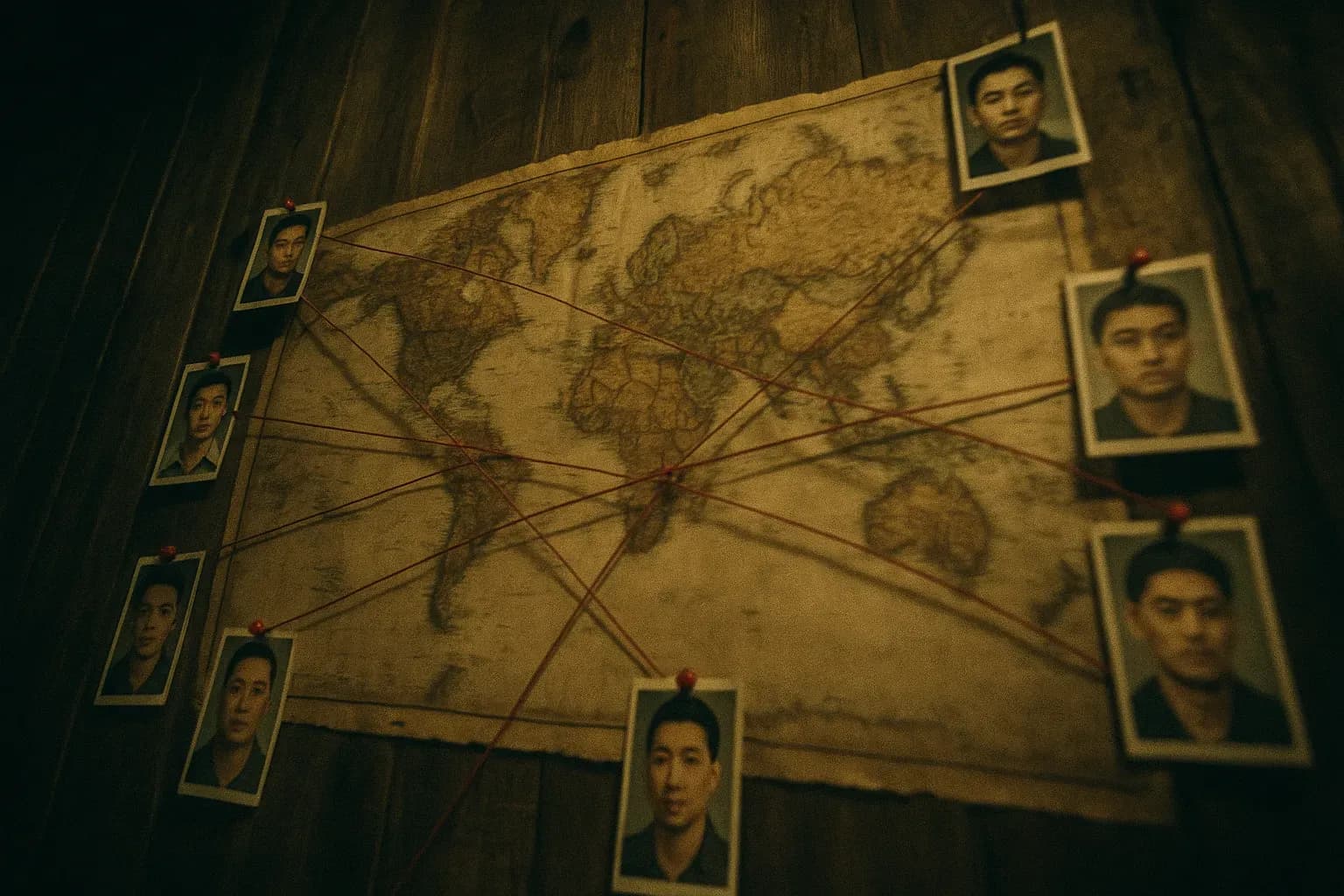
A weathered map of the world pinned to a wooden wall, red strings connecting various cities, with small photos of notable United Bamboo Gang leaders around it
Case

United Bamboo Gang: Taiwan's Criminal Empire

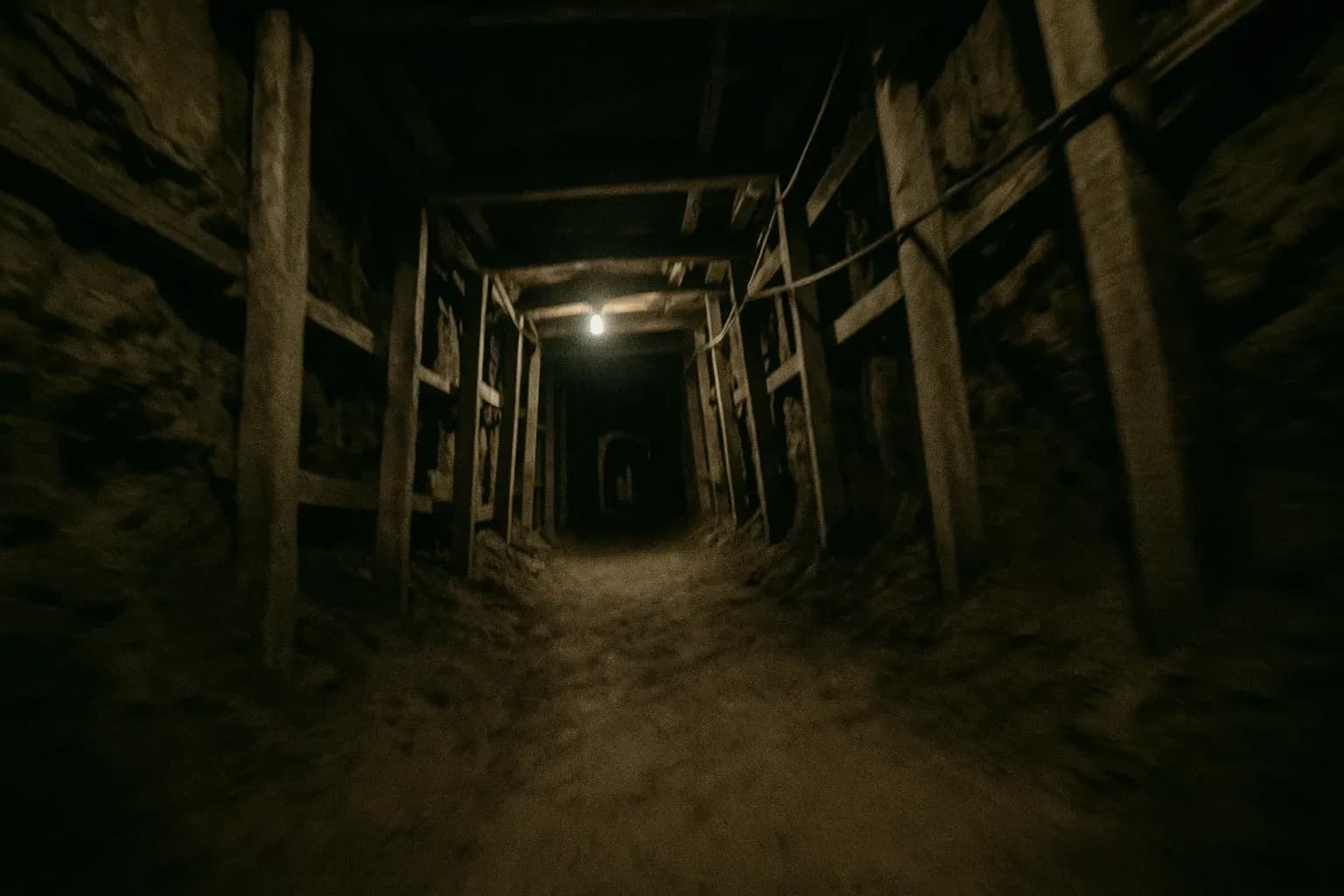
A dimly lit, clandestine tunnel beneath the U.S.-Mexico border, its walls lined with makeshift structural supports and trampled paths, symbolizes the Tijuana Cartel's smuggling operations and underground empire.
Case

How a Mexican Cartel Controlled 40% of U.S. Cocaine—Then Vanished

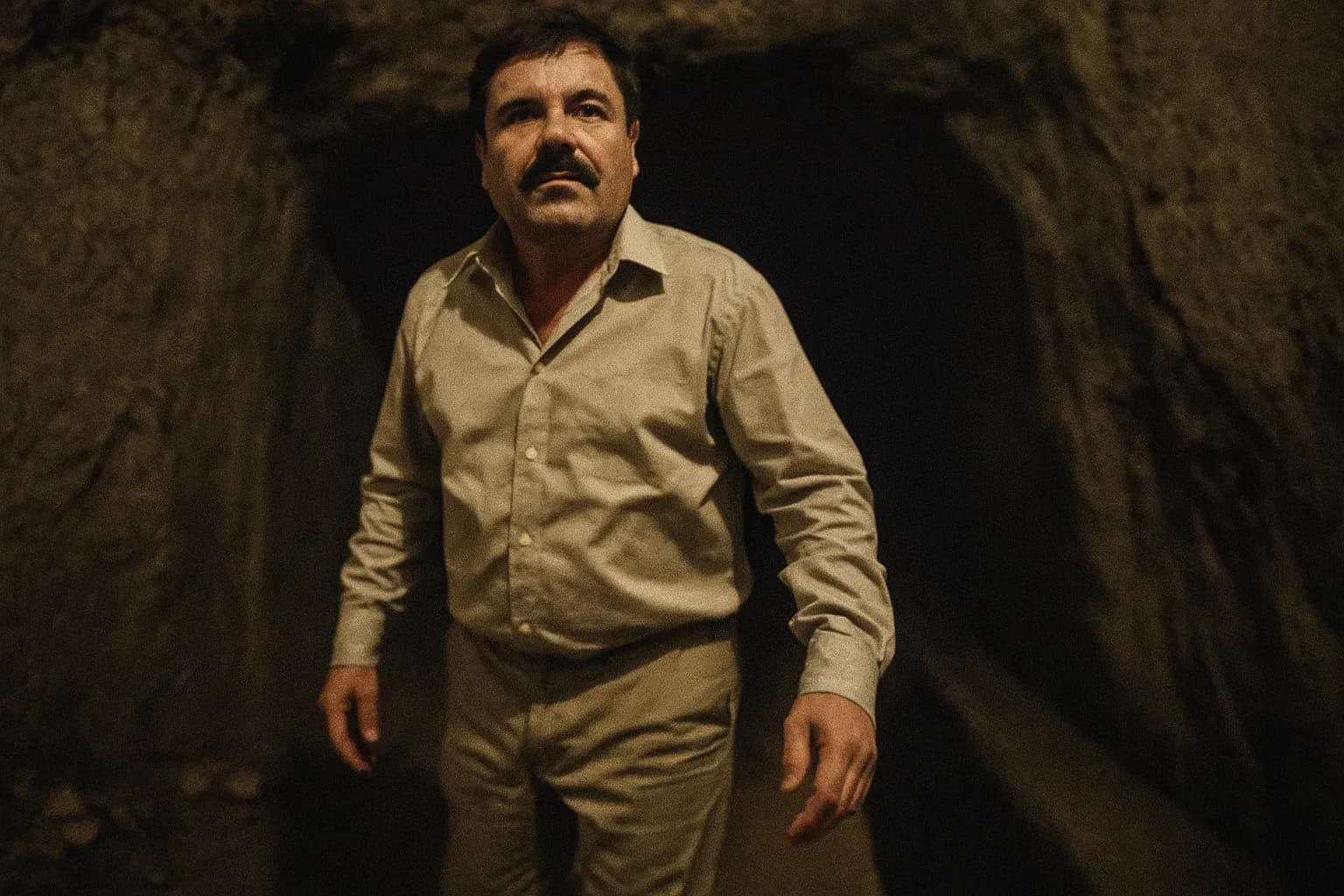
A figure resembling El Chapo stands in front of a deep, dimly lit tunnel, symbolizing the infamous 2015 prison escape.
Case

El Chapo: From Prison Escapes to Life Behind Bars

Related Content
A weathered map of the world pinned to a wooden wall, red strings connecting various cities, with small photos of notable United Bamboo Gang leaders around it

United Bamboo Gang: Taiwan's Criminal Empire

A dimly lit, clandestine tunnel beneath the U.S.-Mexico border, its walls lined with makeshift structural supports and trampled paths, symbolizes the Tijuana Cartel's smuggling operations and underground empire.

How a Mexican Cartel Controlled 40% of U.S. Cocaine—Then Vanished

A figure resembling El Chapo stands in front of a deep, dimly lit tunnel, symbolizing the infamous 2015 prison escape.

El Chapo: From Prison Escapes to Life Behind Bars

A figure resembling Osiel Cárdenas Guillén stands in front of a map of Mexico with marked routes, surrounded by cartel members in a dimly lit room, symbolizing the Gulf Cartel's network and influence.

Four Americans Kidnapped by Gulf Cartel in Mexico

Advertisement

Susanne Sperling

Admin

Share this post:
Sagsmappe

El Chapo: From Poor Farmer to Mexico's Most Wanted

How Joaquín Guzmán built a $3 billion drug empire and became one of history's most elusive criminals

Mappe Åbnet: JUNE 6, 2025 AT 09:59 AM
A figure resembling El Chapo stands atop a barren hillside in Culiacán, surrounded by scattered debris and the remnants of an abandoned drone, symbolizing the Sinaloa Cartel's technological reach and enduring influence.
BEVIS

Sagsdetaljer

Quick Facts

Klassifikation:

Drug lord
Cartel
Corruption
USA
Mexico
Hong Kong
China
Extortion
Violence
Bribery
Money
Gang crime
kryptovaluta
narkotikasag
fentanyl
True Crime Podcast 2026
Cardinal Crimes
mordssag
politisk kriminalitet
justitsmordet
hvidvaskning
mordsager
amerikanske drabssager
amerikanske kriminalsager
Sagsstatus
Løst
Sted
Culiacán, Sinaloa, Mexico

Quick Facts

LocationCuliacán, Sinaloa, Mexico

Joaquín "El Chapo" Guzmán was born into poverty in Sinaloa, Mexico, and a childhood marked by his father's violence set him on a path toward the criminal underworld. With no formal education beyond third grade, Guzmán had few legitimate options. Instead, he would build one of history's most powerful and ruthless drug empires.

Guzmán's entry into the drug trade came through family connections. In the 1960s, he began planting marijuana with his cousins in the rugged hills of Sinaloa. By the 1970s, he had graduated to running drugs to major Mexican cities and across the U.S. border. His talent for logistics and his willingness to take risks caught the attention of Miguel Ángel Félix Gallardo, the powerful leader of the Guadalajara Cartel. Guzmán became one of Félix Gallardo's trusted operatives, helping map smuggling routes through Sinaloa into the United States and overseeing the cartel's complex drug distribution networks.

When Mexican authorities arrested Félix Gallardo in the late 1980s, the Guadalajara Cartel fractured into rival factions. Guzmán seized the opportunity, taking control of the organization's Pacific coast operations and founding his own cartel in 1988. What began as a regional operation would eventually transform into a multinational enterprise.

At its peak, the Sinaloa Cartel controlled between 40 and 60 percent of Mexico's entire drug trade, with annual revenues estimated at $3 billion. The cartel's reach was staggering. Guzmán's organization produced and distributed marijuana, heroin, cocaine, and methamphetamine. They smuggled multi-ton cocaine shipments from Colombia through Mexico and into the United States via air, sea, and road, maintaining distribution networks across the country. Guzmán arranged deals with Colombian traffickers to move their cocaine through Mexican territory, sometimes accepting payment in the form of cocaine itself—one arrangement involved moving 500 kilos to Los Angeles surrogates.

To move product and evade capture, Guzmán invested in an impressive infrastructure. He owned private jets and employed pilots, operated fleets of trucks, and controlled maritime vessels with their own captains. Most notoriously, he employed Mexican peasants to dig elaborate tunnel systems beneath the border. According to reports, many of these diggers were never seen again after their work was completed. The cartel also laundered more than $14 billion in drug proceeds in collaboration with other major traffickers.

With power came violence. In February 1992, six of Guzmán's top lieutenants were found dumped along Tijuana highways, their bodies bearing signs of torture and gunshot wounds. As the Sinaloa Cartel expanded into territory controlled by rival cartels in the early 2000s, violence escalated dramatically. Federal courts would later allege that Guzmán employed professional assassins to carry out hundreds of violent acts—murders, assaults, kidnappings, and torture operations. In 2014, Guzmán himself claimed responsibility for killing between 2,000 and 3,000 people.

Law enforcement finally caught up with Guzmán on June 9, 1993, when Guatemalan police arrested him on charges of drug trafficking, murder, and kidnapping. He was extradited to Mexico and sentenced to a minimum of 20 years in maximum security prison. But incarceration would not stop him. In 2001, he escaped from his Mexican prison cell.

For 13 years, Guzmán evaded capture as the world's most wanted man until Mexican marines arrested him in 2014. Even that proved temporary. In 2015, he escaped from Altiplano maximum security prison through an extraordinary 4,921-foot tunnel dug from nearly a mile away, which opened directly into his shower stall. His ability to continue running his cartel from behind bars through an elaborate system of bribes demonstrated the deep corruption that enabled his operations.

Guzmán faced federal charges across multiple U.S. jurisdictions and at least 10 legal cases in Mexico, but his continued ability to evade justice for decades underscored the enormous challenges Mexican and American authorities faced in combating organized crime at this scale.

Sources: https://www.wral.com/story/joaqu-n-el-chapo-guzm-n-fast-facts/18116204/ https://en.wikipedia.org/wiki/El_Chapo https://www.cbsnews.com/news/who-is-el-chapo-a-look-back-at-60-minutes-reports/
Read more

A weathered map of the world pinned to a wooden wall, red strings connecting various cities, with small photos of notable United Bamboo Gang leaders around it
Case

United Bamboo Gang: Taiwan's Criminal Empire

A dimly lit, clandestine tunnel beneath the U.S.-Mexico border, its walls lined with makeshift structural supports and trampled paths, symbolizes the Tijuana Cartel's smuggling operations and underground empire.
Case

How a Mexican Cartel Controlled 40% of U.S. Cocaine—Then Vanished

A figure resembling El Chapo stands in front of a deep, dimly lit tunnel, symbolizing the infamous 2015 prison escape.
Case

El Chapo: From Prison Escapes to Life Behind Bars

Related Content
A weathered map of the world pinned to a wooden wall, red strings connecting various cities, with small photos of notable United Bamboo Gang leaders around it

United Bamboo Gang: Taiwan's Criminal Empire

A dimly lit, clandestine tunnel beneath the U.S.-Mexico border, its walls lined with makeshift structural supports and trampled paths, symbolizes the Tijuana Cartel's smuggling operations and underground empire.

How a Mexican Cartel Controlled 40% of U.S. Cocaine—Then Vanished

A figure resembling El Chapo stands in front of a deep, dimly lit tunnel, symbolizing the infamous 2015 prison escape.

El Chapo: From Prison Escapes to Life Behind Bars

A figure resembling Osiel Cárdenas Guillén stands in front of a map of Mexico with marked routes, surrounded by cartel members in a dimly lit room, symbolizing the Gulf Cartel's network and influence.

Four Americans Kidnapped by Gulf Cartel in Mexico

Advertisement

Susanne Sperling

Admin

Share this post: